
A fresh coat of paint can hide a lot. Before you buy a home in Linden, a careful look for water damage is worth the time, because water problems affect structure, air quality in the home and insurance. This guide gives you a walk-through you can do at a showing, questions to ask and the point where a professional inspector or moisture check makes sense. It is general guidance, not an inspection.
Start outside
Water damage often begins outdoors, so the exterior tells you a lot.
- Grading. The soil should slope away from the foundation. Low spots and pooling near walls are red flags.
- Gutters and downspouts. Look for rust, sagging, missing sections and downspouts that dump next to the house.
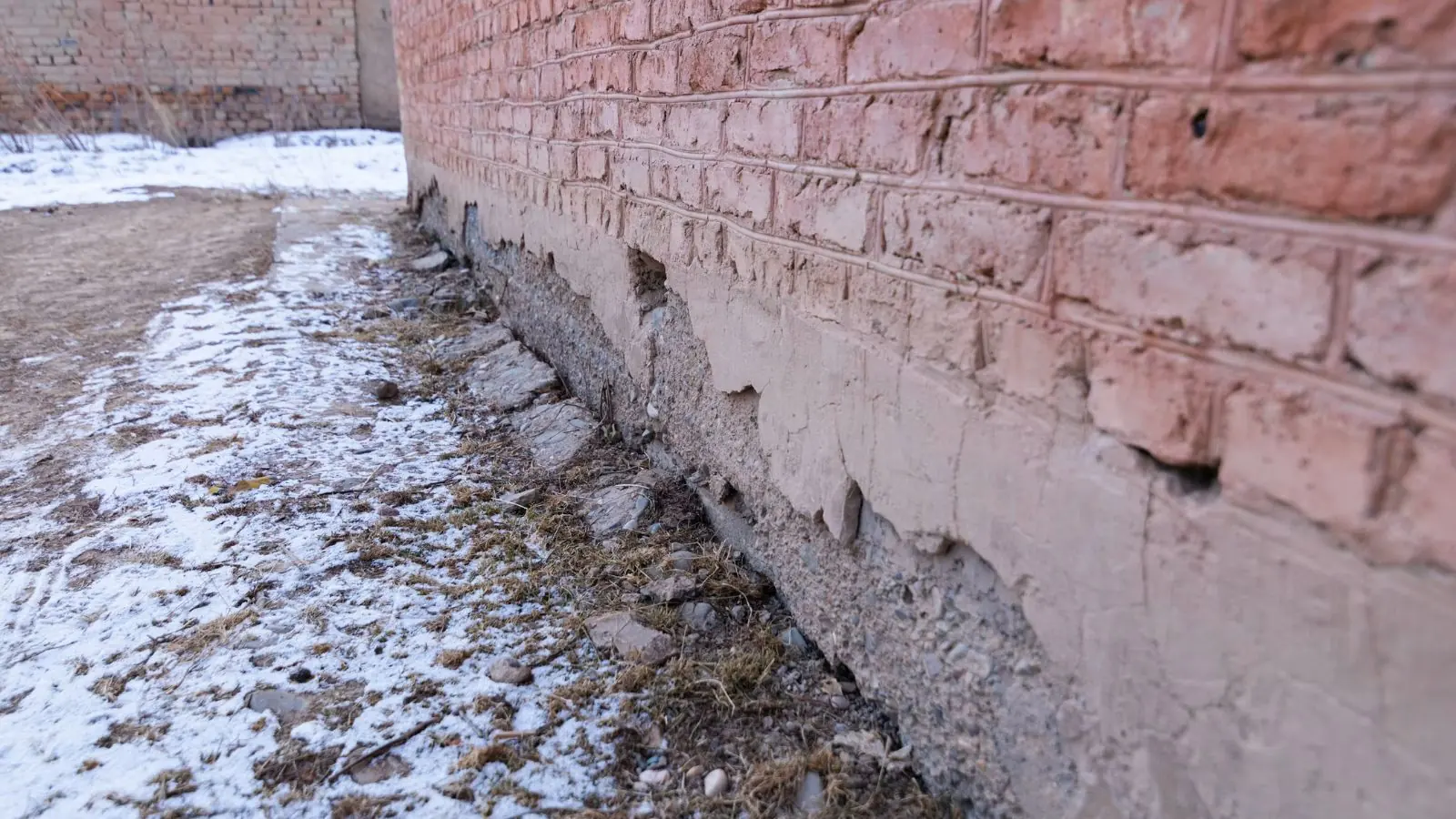
- Foundation walls. Look for cracks, staining, efflorescence, crumbling mortar and signs of past repairs.
- Roof. Look for missing or curled shingles, flashing gaps and moss.
- Windows and doors. Look for stained sills, soft trim and failed caulk.
Inside: look, smell and touch
- Ceilings and walls. Look for brown rings, bubbled or peeling paint and fresh paint in an odd spot or only in one area.
- Floors. Look for cupping, buckling, gaps and soft spots, especially near bathrooms, kitchens and exterior doors.
- Smell. A musty smell in a basement, closet or crawl space is worth noting.
- Under sinks. Open the cabinets and look for stains, swelling and corrosion at fittings.
- Water heater. Look for rust at the base and signs of past leaks.
- Attic. Look for stained wood, dark insulation and daylight where there should not be any.
The basement and crawl space
These are the places that tell the most. Look at the base of the walls for staining and white powder, at the floor for cracks and patches and at stored items for damp cardboard. Look for a sump pump and ask how it works. Ask about any dehumidifier running, since a unit that has been running constantly is a clue.
| Observation | What it may mean | Next step |
|---|---|---|
| Fresh paint on one patch of ceiling | Covered stain | Ask about leaks, check with a moisture meter |
| White crust on basement walls | Water moving through masonry | Ask about seepage and drainage |
| Musty smell | Moisture or mold | Ask a professional to check |
| Cupped or buckled floor | Past or current moisture | Check source and subfloor |
| Sump pump and dehumidifier | The basement takes on water | Ask about history |
| Stained attic wood | Roof or vent leaks | Have the roof checked |
Ask the seller
Ask directly whether the home has had water damage, leaks, flooding or insurance claims for water, and ask what was repaired and by whom. Ask for any paperwork the seller provides and for repair invoices. A seller's answer does not replace an inspection, but a refusal or vague answer is informative.
Flood maps and insurance
Look up the address on the FEMA Flood Map Service Center to see whether it sits in a mapped flood hazard area, and ask your insurance agent for a flood quote before closing. If the lender requires flood insurance, you will need it at closing. NFIP policies generally have a waiting period of about 30 days, so plan for it.
Linden flood context for buyers
The Union County hazard mitigation plan says Linden has 28 repetitive loss properties, which are properties with repeated flood insurance claims, and that most claims cluster on a couple of streets. The plan also notes that the effective flood map it used dated from 2006, so maps can change, and you should check the current map for the address you are considering.
Since the Rahway River, the Arthur Kill and several creeks are flood sources, ask specifically about water in the basement or first floor during storms. In the Tremley Point area, a Rutgers flood project and a state Blue Acres buyout program have changed the landscape, so ask the seller and the city about the history there.
When to bring in a professional
A general home inspection covers visible conditions. If you see signs of water, ask the inspector to take moisture readings, or hire a moisture or mold specialist. A thermal camera can show wet areas behind finished walls.
If damage is found, the cost of drying and repair can often be negotiated, or the purchase reconsidered. The basement water damage page explains what cleanup involves, and the wall and drywall water damage page covers walls and stains.
The same questions apply in Roselle Park and Elizabeth if you are shopping across the area.
Moisture readings and drying plans in this field follow ANSI/IICRC S500, which is also a useful reference when you read an inspection report.
Home buying and water damage questions in Linden
Can I tell if a basement has flooded before?
Often. Look for water lines on walls and stored items, efflorescence, patches on the floor, a sump pump and a dehumidifier running.
Should I get a flood quote before closing?
Yes. Ask your agent, since a flood policy can take time to start and cost varies by address.
Is fresh paint a bad sign?
Not always, but fresh paint in one spot is worth a moisture reading.
Who pays for water damage found before closing?
That is a negotiation between buyer and seller. Ask your agent or attorney.