
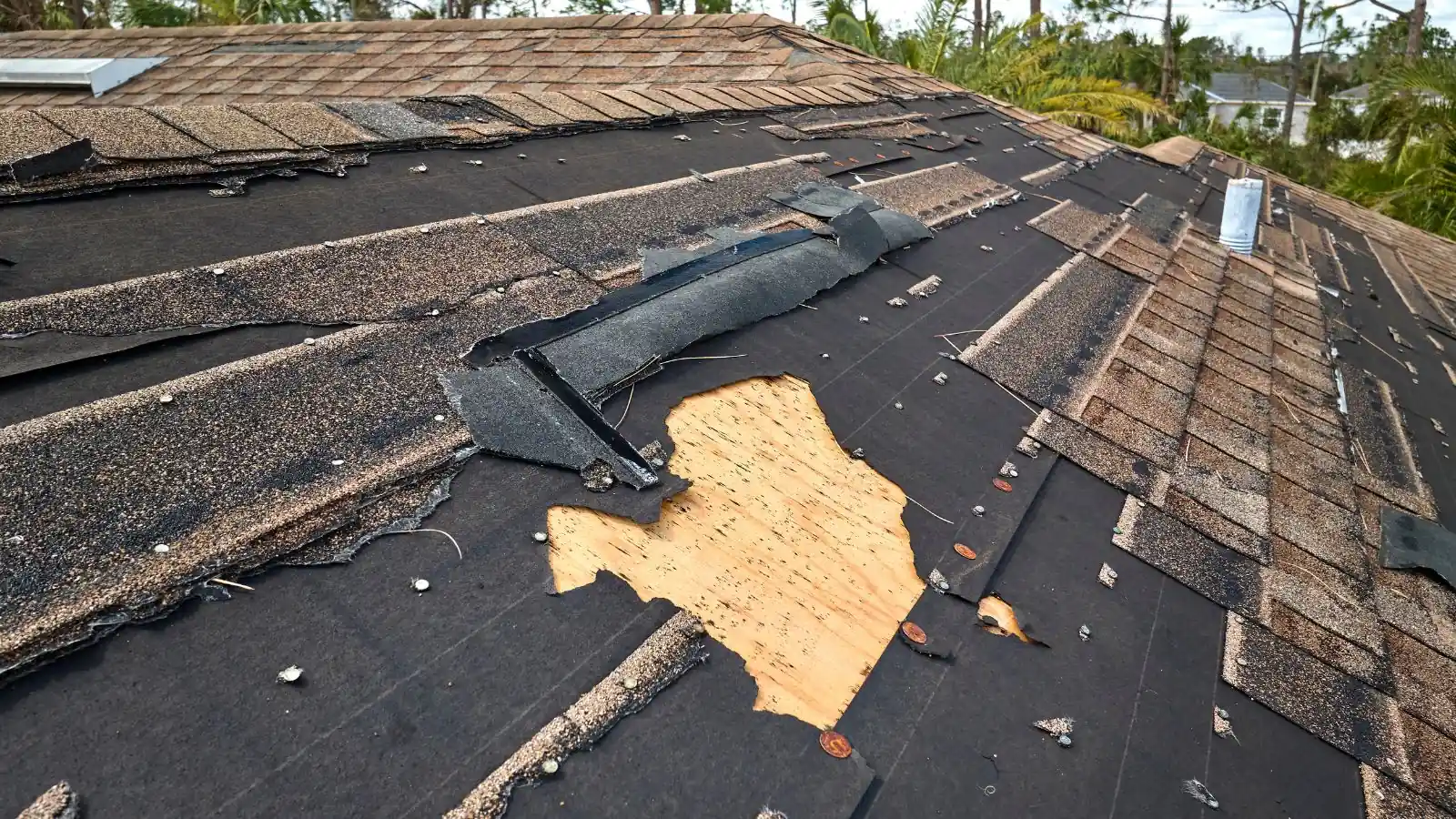
Heavy rain does not announce how much water it will bring. A few hours of preparation can change whether a storm becomes a cleanup. This checklist is for homeowners and renters in Linden who want to reduce risk ahead of storm season. It is general guidance, and a few items depend on your building and policy.
Outside the house
- Clean gutters and downspouts. Clogs send water down walls and toward the foundation.
- Extend downspouts. Water should be moved well away from the foundation.
- Check grading. Soil should slope away from the house, not toward it.
- Look at the roof. Missing shingles, lifted flashing and gaps around vents let rain in. A roofer can check.
- Clear storm drains near your property. Leaves and debris on the street drain add to street flooding. Do not enter water to do it.
- Trim limbs that overhang the roof.
Inside the house
- Test the sump pump if you have one. Pour water in the pit and make sure it starts, pumps and shuts off. Consider a battery backup, since storms often cut power.
- Find the main water shutoff and make sure everyone in the household knows where it is.
- Move valuables up. Keep documents, electronics and keepsakes off basement floors, and use shelves and sealed bins.
- Check windows and doors for worn seals where wind-driven rain gets in.
- Know where the electrical panel is and how to reach it without wading through water.
Paperwork and photos
Take photos and video of each room and of valuable items now, while everything is dry. Store them somewhere that is not in the house, such as a cloud account. Make a list of high-value items and keep a copy of your insurance policy and agent's number.
Insurance timing
Standard homeowners policies usually exclude flood damage, and flood coverage is bought separately. NFIP policies generally have a waiting period of about 30 days before coverage starts, so buying a policy during a storm warning does not help that storm.
If you are unsure whether you have flood coverage, ask your insurer well before the season starts. The FEMA Flood Map Service Center shows whether your address sits in a mapped flood hazard area.
| Risk | Prep step | Why it matters |
|---|---|---|
| Roof or window intrusion | Check flashing, seals, gutters | Stops rain entering the building |
| Basement water | Test sump, move items up | Reduces loss from groundwater |
| Power loss | Battery backup for sump, flashlights | Pumps stop when power fails |
| Street flooding | Know routes, keep cars off low streets | Avoids driving into water |
| Documentation | Photos, list, policy copy | Supports a claim later |
During the storm
- Stay out of basements with rising water, since power and gas equipment may be there.
- Do not drive or walk through flood water.
- If water enters, shut off the main valve for plumbing leaks and call the utility or 911 for electrical or gas risks.
- Take photos from a safe place.
After the forecast clears
Preparation does not end when the rain stops. Once it is safe to go back in, take photos of any water line before anything is moved, and note the time. Standing water in a basement can carry sewage or runoff, so treat it as contaminated until a professional has looked at it, and keep electrical equipment out of it.
If the power was off, do not run appliances that sat in water. Pumping water out too quickly from a saturated basement can stress the walls, so extraction is usually staged. Then the drying work starts, and the first 24 to 48 hours matter most for keeping mold from taking hold, according to the EPA.
Make a short list of what was wet, what is salvageable and what the insurer will want to see. Keep damaged items until the claim is settled if you can, or photograph them well before discarding them. A call to your own insurer and to the 24/7 line at (833) 521-1033 can happen on the day you find the damage.
Linden's storm history
The Union County hazard mitigation plan says flooding from a tropical storm or nor'easter occurs in Linden every few years, with more significant events every five to ten years on average. Superstorm Sandy in 2012 flooded the city's public works garage and sent water into dozens of homes in the Tremley Point area, and the plan says both Sandy and Hurricane Irene flooded the Linden Roselle Sewerage Authority treatment plant.
Remnants of Hurricane Ida on September 1 and 2, 2021 pushed the Elizabeth River gage to a new record high, according to the US Geological Survey. Together they show that storm risk in this area comes from both tide and rain.
After the storm
Photograph the damage before moving anything. If the roof or a window is open, cover it. Call your insurer and begin drying quickly, since the EPA advises drying water-damaged areas in the first 24 to 48 hours to prevent mold growth. For the cleanup itself, the pages on storm water damage cleanup and basement water damage explain what is done.
Preparation applies in neighboring Elizabeth and Roselle Park too, where Ida flooding was severe.
Storm prep questions in Linden
Do I need flood insurance in Linden?
Check your address on the FEMA flood map and ask your insurer. Flood damage is usually excluded from standard homeowners policies.
When should I test my sump pump?
Before storm season and after any long dry period. Pour water into the pit and watch it run.
Are sandbags worth it?
They can divert shallow water at a door, but they are heavy and do not stop deep flooding. Local officials issue guidance during storms.
What should I do about my car?
Move it to higher ground before heavy rain if you can, and do not drive through flooded roads.