
When water damages a home, the first instinct is to clean up. The second should be to document, because a claim depends on showing what happened, what was damaged and what you did about it. This guide lays out the records that help, in the order you can gather them. It is general information, and your insurer's instructions come first.
Safety before photos
Do not take photos from a place that is unsafe. If the water is near electrical outlets, a panel or appliances, or if it may be sewage or flood water, stay out and photograph from a doorway or from outside. Call the utility or 911 for any electrical or gas concern.
Photos and video
Take more than you think you need. Start wide, then go close.
- A wide shot of each affected room from the doorway.
- Close shots of the source, such as a burst pipe, a leaking tank or a failed hose.
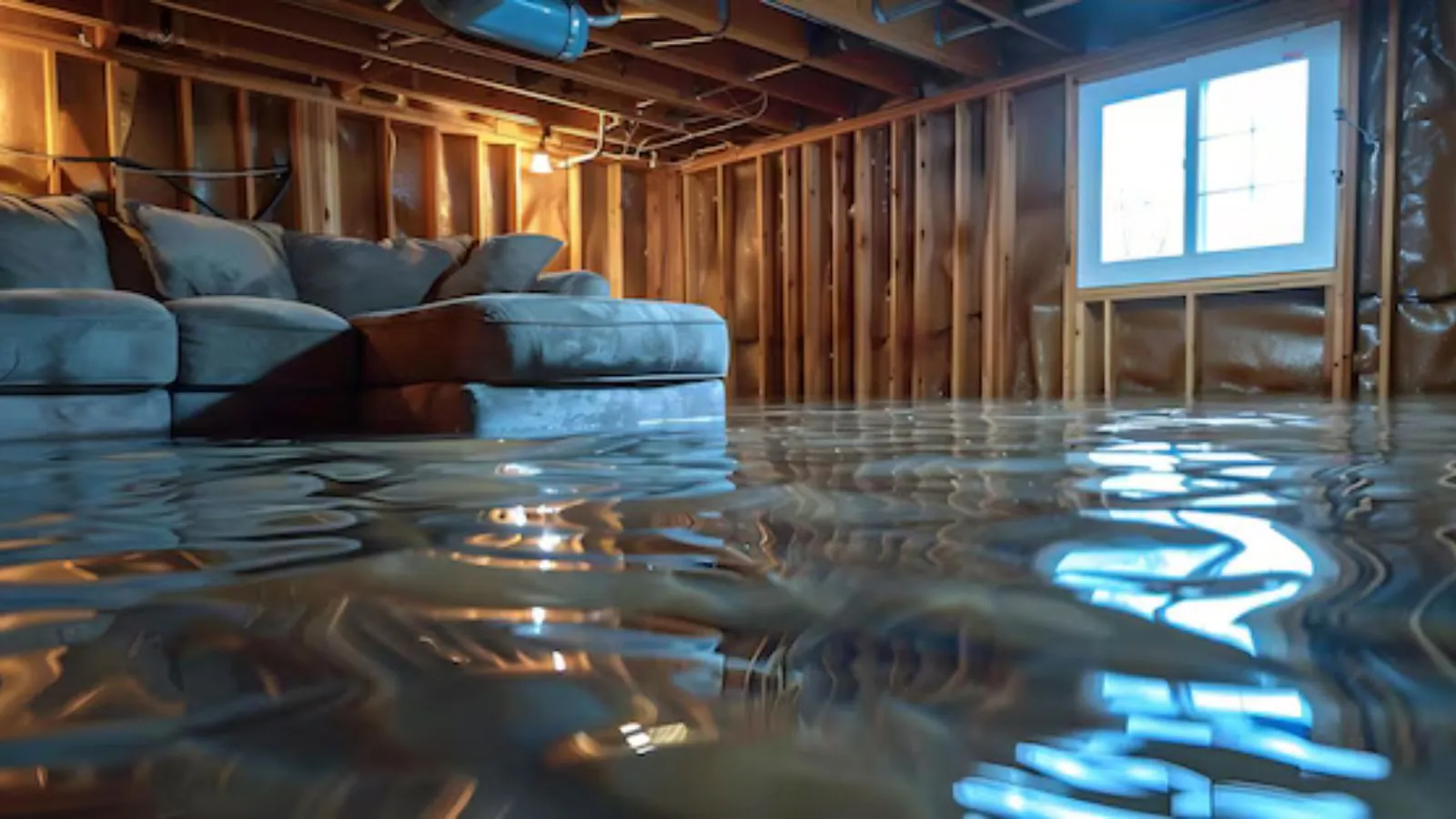
- The water line on walls and furniture, and the depth of standing water with something for scale.
- Damaged contents, one by one, with labels, model numbers and serial numbers where visible.
- Ceilings, walls and floors, including stains and bubbled paint.
Short video clips that walk through each room add context. Photos and video with a date stamp help. Do not delete anything, even blurry shots.
Moisture readings and drying logs
A restoration company that uses moisture meters and a thermal camera can give you readings that show where water traveled and when materials reached a dry standard. Ask for a copy of the moisture map and the daily drying log. These are among the strongest records you can have, because they show the extent of the loss and that mitigation was done correctly.
| Record | What it shows |
|---|---|
| Photos and video | What the damage looked like and where |
| Moisture map | How far the water spread |
| Daily drying log | Progress toward dry, and when equipment ran |
| Itemized scope | What was removed, dried or replaced |
| Receipts | What you spent on emergency work |
| Contents list | What was damaged and its approximate value |
The contents list
Make a list of every damaged item: what it is, where it was, its approximate age and what you paid or what it would cost to replace. Add photos of each. Receipts, order confirmations and bank statements help establish value.
Do not throw items away until your insurer says you can, unless they are contaminated or a safety hazard. If you must discard something, photograph it first and keep a sample if possible, such as a piece of carpet.
The cause and the timeline
Write down what you saw and when. When did you notice the water, where was it coming from, what did you do and who did you call? A simple timeline written on the day it happens is more reliable than memory later. If a plumber or appliance technician diagnoses the cause, keep their invoice and ask for a note on what failed. Keep the failed part if you can.
Receipts and mitigation costs
Keep receipts for emergency services, such as water extraction, drying equipment, temporary repairs and even hotel stays if your policy covers loss of use. Many policies expect you to take reasonable steps to prevent further damage, and receipts show that you did.
Renters and landlords
About 41 percent of Linden households rent, according to the Census Bureau's 2013 to 2017 profile. If you rent, tell your landlord or property manager in writing right away, and document your own belongings for a renters policy. Landlords handle the building, and tenants handle their contents, and both need records.
Linden records worth keeping
In Linden, flooding can come from several directions. The county hazard mitigation plan names the Rahway River, the Arthur Kill, Marshes Creek, Peach Orchard Brook and other waterways, and it records tidal backflooding when high tide meets heavy rain.
If your damage came from outside water, note the date, the weather and the water level, since flood coverage and standard coverage treat these differently. For a sewer or drain backup, note whether neighbors had the same problem, and mention it to the Linden Roselle Sewerage Authority, which serves Linden and Roselle.
When to call for help
You can document while the cleanup begins. Extraction and drying should not wait on a claim decision. If the water is still spreading, the water extraction page explains what happens first, and the structural drying page explains the readings and logs mentioned above.
Neighboring towns share many of these steps. Residents of Elizabeth and Roselle Park who deal with storm or sewer problems should document the same way.
Documenting water damage in Linden
Should I take photos before or after I clean up?
Before. Photograph the damage as it is, then start mitigation. Take more photos as work proceeds.
Do I need a written estimate for my insurer?
An itemized scope from a restoration company is useful. Ask for it before work starts.
What if the water came from my upstairs neighbor in Linden?
Document your side, tell your landlord and your insurer and ask who is responsible. Policies and leases differ.
How long should I keep records?
Keep them until your claim is closed and any repairs are complete. Longer is better.